Merch Textures: Elevating Brand Identity Through Strategic Visual Detail
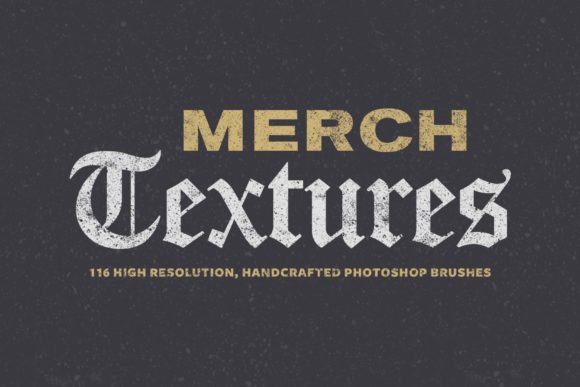
In the saturated landscape of print-on-demand and custom merchandise, visual distinction is not merely an aesthetic preference; it is a critical business asset. Consumers are increasingly discerning, moving away from flat, generic designs toward products that convey depth, authenticity, and tactile quality. This is where Merch Textures become indispensable. Specifically, the collection of 16 handcrafted textures formatted for Photoshop represents more than just digital assets; they are tools for strategic brand positioning. These single-color ABR brush files, derived from hundreds of successful merchandise designs, offer creators a reliable method to inject character and professionalism into their work without the steep learning curve of creating custom effects from scratch.
The Strategic Value of Visual Depth in Merchandise
When evaluating the role of texture in design, one must look beyond surface-level appeal. Texture serves as a psychological cue. It suggests history, craftsmanship, and value. A flat vector logo on a t-shirt can feel corporate and distant. However, applying a subtle distress effect, a grain overlay, or a hand-drawn ink texture transforms that same logo into something that feels lived-in and authentic. For entrepreneurs and small business owners, this distinction is vital. It bridges the gap between a commodity product and a branded experience.
The utility of these 16 handcrafted textures lies in their versatility and consistency. Because they are single-color ABR brushes, they integrate seamlessly into existing workflows. Designers do need to manage complex layer styles or worry about color mismatches. Instead, they can focus on composition and message. This efficiency supports broader operational goals by reducing the time spent on repetitive detailing, allowing professionals to scale their output while maintaining high standards. Whether you are a freelancer managing multiple client accounts or a hobbyist launching a side venture, the ability to rapidly apply professional-grade details is a significant productivity multiplier.
Enhancing Brand Positioning Through Consistent Application
Brand identity is built on repetition and recognition. Using a consistent set of visual elements helps establish a cohesive language across various products. Merch Textures facilitate this consistency. By relying on a curated set of 16 brushes, creators ensure that their t-shirts, mugs, posters, and packaging share a common visual DNA. This coherence strengthens brand recall. When a customer sees a specific grain or distress pattern, they begin to associate it with the brand’s ethos—be it rugged, vintage, minimalist, or artistic.
Consider the decision-making process of a consumer browsing an online store. They are often comparing similar items from different vendors. The product that appears to have higher perceived quality often wins the sale. Textures contribute significantly to this perception. A design that incorporates subtle imperfections or organic details feels more "human" and less mass-produced. This aligns with current market trends where authenticity is valued over polished perfection. By strategically applying these textures, marketers and creators can position their brands as thoughtful and premium, even if the underlying production method is standard print-on-demand.
Practical Integration: When and How to Use Textures
Understanding when to apply texture is as important as knowing how. Overuse can clutter a design and obscure the core message. The key is intentionality. Here are several strategic approaches to integrating these brushes into your workflow:
- Subtle Enhancement: Use low-opacity settings to add a faint grain to solid backgrounds. This prevents large areas of color from looking flat and digital, adding a layer of sophistication that is felt rather than seen.
- Focal Point Distressing: Apply heavier texture to specific elements, such as typography or central icons, to create a vintage or worn look. This draws the eye and adds narrative depth, suggesting the item has a story.
- Unifying Complex Designs: In designs with multiple elements, a global texture overlay can tie disparate components together. It acts as a visual glue, ensuring that various graphics feel like part of a single composition.
- Mockup Realism: When presenting designs to clients or customers, using these textures in mockups can simulate the actual print result. This manages expectations and reduces the risk of dissatisfaction due to discrepancies between digital proofs and physical products.
For educators and publishers, these textures can also serve as teaching tools. Demonstrating how texture affects mood and readability provides valuable insights into design principles. It encourages students and junior designers to think critically about every element on the canvas, fostering a deeper understanding of visual communication.
Risks of Unintentional Design and Mitigation Strategies
While textures are powerful, they carry risks if used without clear goals. Random application can lead to visual noise, reducing legibility and confusing the viewer. A common mistake is applying heavy distress to small text, rendering it unreadable. Another pitfall is using incompatible textures that clash with the brand’s tone—for instance, using a grunge brush on a luxury minimalist brand can undermine its positioning.
To mitigate these risks, adopt a disciplined approach. Before applying any texture, ask: What purpose does this serve? Does it enhance readability? Does it reinforce the brand voice? Does it add necessary depth? If the answer is no, omit it. Start with subtlety. It is easier to add more texture than to remove it. Additionally, always test designs at various sizes. What looks detailed on a large monitor may appear muddy on a mobile screen or when printed on a small garment tag.
Furthermore, consider the technical constraints of your printing method. Some textures may not reproduce well on certain fabrics or materials. Understanding the limitations of your production partners is crucial. The single-color nature of these ABR brushes helps here, as they allow for precise control over ink coverage. By keeping textures monochromatic, you avoid unexpected color shifts and ensure that the final product aligns with your digital proof.
Long-Term Results and Operational Efficiency
Investing in high-quality resources like Merch Textures yields long-term benefits. For decision-makers and business owners, time is a finite resource. Tools that streamline the creative process directly impact profitability. By standardizing on a trusted set of 16 brushes, teams can reduce debate over asset selection and focus on execution. This standardization also simplifies onboarding for new team members, who can quickly learn the brand’s visual language by mastering these specific tools.
Moreover, the reusability of these assets supports sustainable design practices. Instead of creating new textures for every project, creators can iterate on existing ones, reducing digital waste and maintaining consistency. This approach fosters a library of proprietary visual assets that become unique to the brand. Over time, this library becomes a competitive moat, distinguishing the brand from competitors who rely on generic, widely available clipart or effects.
For freelancers and agencies, offering textured designs as a premium service can increase revenue. Clients are often willing to pay more for designs that stand out and convey higher value. By positioning texture application as a strategic enhancement rather than a mere decorative add-on, professionals can justify higher rates and build stronger client relationships based on demonstrated expertise.
Making Informed Decisions in Creative Workflow
Ultimately, the effective use of Merch Textures is about making informed decisions. It requires balancing creativity with strategy, aesthetics with functionality. Whether you are an entrepreneur launching a new line, a marketer refreshing a campaign, or a designer refining your craft, these 16 handcrafted brushes offer a reliable foundation. They provide the flexibility to experiment while ensuring a baseline of quality and professionalism.
As you integrate these tools into your workflow, remain mindful of your overarching goals. Let texture serve your message, not distract from it. Use it to build connection, enhance clarity, and elevate perception. By approaching design with this strategic mindset, you transform simple merchandise into meaningful brand touchpoints. The result is not just a better-looking product, but a more resilient and recognizable brand identity that resonates with your audience and drives long-term success.
In conclusion, the value of Merch Textures extends far beyond the pixels on a screen. They are instruments of communication, tools for efficiency, and catalysts for brand differentiation. By mastering their application, creators and business leaders can navigate the complexities of modern merchandise design with confidence and precision. The path to superior results lies not in doing more, but in doing what matters with greater intention. These 16 brushes are your allies in that endeavor, offering a proven pathway to elevated design outcomes.