Strategic Design Assets: Leveraging the Brush Strokes Collection for Brand Impact
In the crowded landscape of digital marketing and visual communication, clarity and distinctiveness are not merely aesthetic preferences; they are strategic imperatives. For entrepreneurs, marketers, and creative professionals, the challenge often lies not in finding tools, but in selecting assets that align with broader business objectives. This is where a curated resource like the Brush Strokes Collection becomes more than just a set of graphics—it becomes a versatile instrument for enhancing brand identity, improving engagement, and streamlining production workflows.
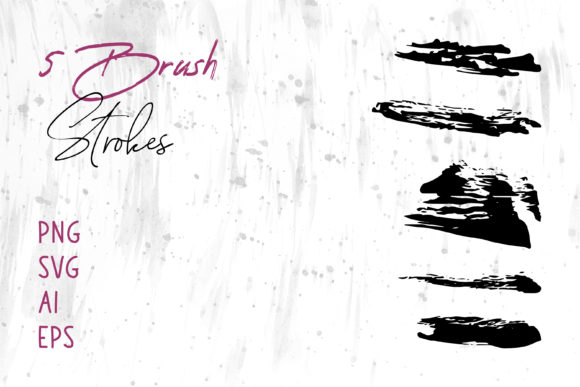
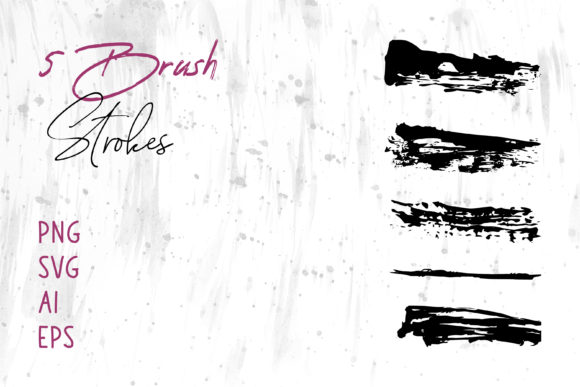
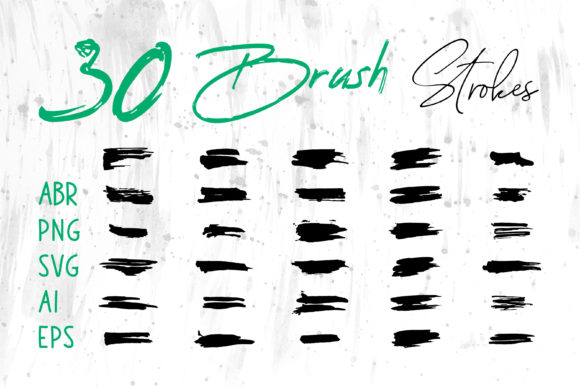
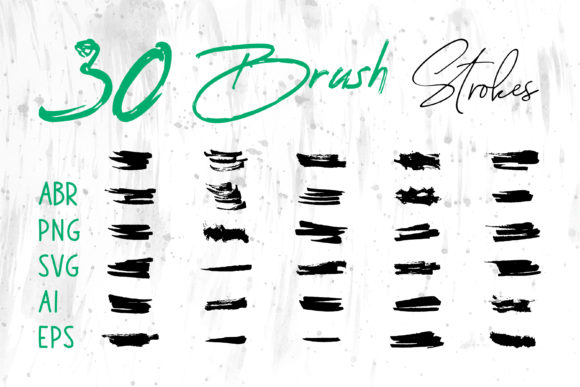
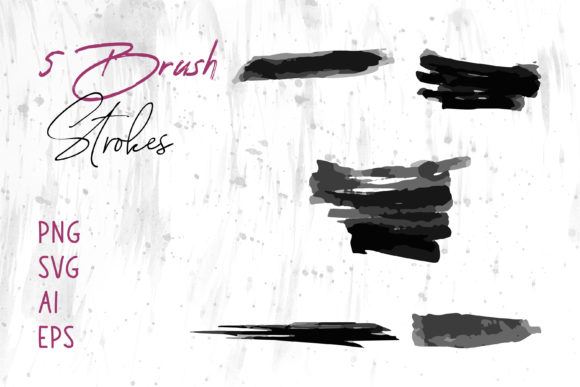
The modern creator operates across multiple platforms and software ecosystems. A graphic designed for a social media banner must often be repurposed for a printed brochure, a product package, or a corporate presentation. The rigidity of static images can hinder this agility. By utilizing a comprehensive asset pack that includes files in PNG, SVG, AI, and EPS formats, you gain the flexibility to adapt your visual language to any medium without compromising quality or consistency. This article explores how to strategically integrate these brush stroke elements into your design operations to achieve measurable results.
The Strategic Value of Versatile File Formats
When evaluating design assets, many users focus solely on the visual appeal of the preview image. However, the true value of the Brush Strokes Collection lies in its technical versatility. Understanding the specific utility of each file format allows you to make informed decisions that save time and maintain professional standards.
- PNG (Portable Network Graphics): Ideal for immediate use in digital contexts. With transparent backgrounds, these files can be dragged and dropped directly into MS Word documents, PowerPoint presentations, or social media scheduling tools. They are perfect for quick mockups, email headers, and web banners where editing the shape is not required.
- SVG (Scalable Vector Graphics): Essential for web developers and UI designers. SVGs remain crisp at any resolution, ensuring that your branding looks sharp on high-density mobile screens as well as large desktop monitors. They are lightweight, improving page load speeds—a critical factor for SEO and user experience.
- AI and EPS (Adobe Illustrator and Encapsulated PostScript): These are the powerhouses for professional print and deep customization. If you are designing a book cover, packaging, or a large-format trade show banner, these vector formats allow you to scale the brush strokes to any size without pixelation. Furthermore, they enable you to modify the color palette to match your exact brand guidelines using Adobe Illustrator or compatible software.
By having access to all four formats, you eliminate the bottleneck of converting files or recreating assets from scratch. This interoperability supports a smoother workflow between different teams—such as marketing, sales, and product development—ensuring that everyone is working with consistent, high-quality visual elements.
Enhancing Brand Positioning Through Organic Textures
In an era dominated by sleek, minimalist, and often sterile digital interfaces, organic textures offer a psychological counterbalance. Brush strokes convey humanity, creativity, and movement. When used intentionally, they can soften a corporate brand’s image, making it appear more approachable and authentic. Conversely, bold, aggressive strokes can communicate energy and disruption for startups or lifestyle brands.
Consider the application of these graphics in branding and logo design. A subtle brush accent behind a logotype can add depth and distinction, helping your brand stand out in a crowded marketplace. However, this requires careful planning. The stroke should complement the typography, not compete with it. Strategic use involves analyzing your target audience’s perception. Are you aiming for elegance? Choose thinner, fluid strokes. Are you targeting a youthful, energetic demographic? Opt for thicker, dynamic splatters.
For packaging design, tactile visuals are crucial. Even though the customer initially interacts with the package digitally or on a shelf, the visual suggestion of a hand-painted element can imply craftsmanship and premium quality. Using the AI or EPS files from the collection, designers can integrate these strokes seamlessly into label designs, ensuring that the print output retains the nuanced edges of the original brushwork.
Practical Applications Across Industries
The utility of the Brush Strokes Collection extends far beyond traditional graphic design. Its adaptability makes it a valuable resource for various professional scenarios:
Corporate Communications and Presentations
Professionals often rely on standard PowerPoint templates that feel generic and uninspired. Incorporating brush strokes as background elements or dividers can elevate a presentation, guiding the viewer’s eye and breaking up dense information. Use the PNG files for ease of insertion, ensuring they do not distract from the core data. The goal is to enhance readability and retention, not to decorate for decoration’s sake.
Digital Marketing and Social Media
Social media feeds are fast-paced. To stop the scroll, visuals must be striking yet coherent with the brand’s identity. Brush strokes can frame product photos, highlight key quotes, or serve as dynamic backgrounds for promotional offers. Because the collection includes varied styles, you can A/B test different visual approaches to see which resonates more with your audience. Consistency in using these elements across Instagram, LinkedIn, and Facebook builds recognizable visual equity over time.
Educational Materials and E-Books
Educators and publishers can use these graphics to make learning materials more engaging. In digital scrapbooks, e-books, or online courses, brush strokes can highlight important definitions, separate chapters, or add a creative flair to worksheets. The key here is moderation; the graphics should support the educational content, providing visual cues that aid in navigation and comprehension.
Risks of Unintentional Usage
While versatile, design assets carry risks if used without a clear strategy. The most common pitfall is visual clutter. Overusing brush strokes can make a design look chaotic and unprofessional, undermining the credibility of the message. Before applying these elements, ask yourself: Does this stroke serve a functional purpose? Does it guide the eye or emphasize a key point?
Another risk is brand inconsistency. If one team uses thick, grunge-style strokes while another uses delicate, watercolor-like strokes, the brand identity becomes fragmented. To mitigate this, establish a internal style guide that specifies which types of brush strokes from the collection are approved for use, along with designated color palettes. This ensures that whether a freelancer is designing a T-shirt or an internal memo is creating a flyer, the visual language remains cohesive.
Additionally, consider the context of the medium. A complex brush detail that looks stunning on a large website banner may become muddy and indistinct when shrunk down for a mobile app icon. Always preview your designs at the actual size they will be viewed by the end-user. This attention to detail distinguishes amateur execution from professional polish.
Decision-Making Framework for Integration
To maximize the return on your design investments, approach the use of the Brush Strokes Collection with a decision-making framework:
- Define the Objective: What is the primary goal of this design? Is it to inform, persuade, or entertain? The answer will dictate the intensity and style of the brush stroke used.
- Select the Right Format: Choose PNG for speed and digital simplicity, SVG for web scalability, and AI/EPS for print and customization. Making the right choice early prevents rework later.
- Align with Brand Identity: Ensure the texture and color of the stroke align with your established brand voice. If your brand is serious and corporate, use subtle, monochromatic accents. If it is creative and bold, experiment with vibrant colors and dynamic shapes.
- Test and Iterate: Do not assume the first iteration is the best. Test different placements and opacities. Gather feedback from stakeholders or a sample of your target audience to gauge impact.
By treating these graphics as strategic tools rather than mere decorations, you transform them into assets that drive engagement, reinforce brand identity, and streamline your creative operations. The Brush Strokes Collection offers the raw material; your strategic vision provides the direction. When combined, they create compelling visual narratives that resonate with audiences and deliver long-term value.
Ultimately, the effectiveness of any design element is measured by its ability to communicate clearly and memorably. Whether you are crafting a logo, designing a book cover, or building a social media campaign, the intentional use of high-quality brush strokes can elevate your work from ordinary to exceptional. Embrace the flexibility of the included formats, plan your application with purpose, and watch as your visual communications achieve greater impact and resonance.